
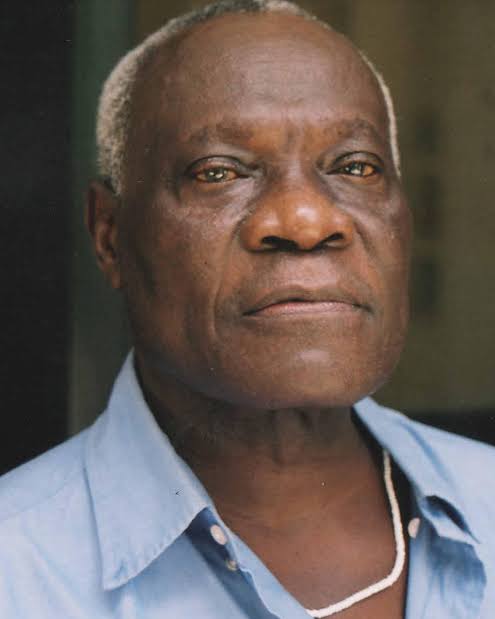
King Boama Darko Ampaw, professionally known as King Ampaw, stands as one of Africa’s most celebrated actors and influential filmmakers, known for his groundbreaking work that blends African storytelling with European cinematic techniques. Born on July 25, 1940, in Kukurantumi in Ghana’s Eastern Region, Ampaw has dedicated over five decades to shaping African cinema and establishing Ghana as a significant player in the global film industry.
Profile Summary
| Full Name | King Boama Darko Ampaw |
| Date of Birth | 25 July 1940 |
| Place of Birth | Kukurantumi, Eastern Region |
| Nationality | Ghanaian |
| State of Origin | Eastern Region, Ghana |
| Partner | Married (name private) |
| Children | Two sons |
| Occupations | Filmmaker, Director, Producer, Actor |
| Net Worth | $500,000-$1.2 million |
Early Life and Education
King Ampaw entered the world on July 25, 1940, in Kukurantumi within Ghana’s Eastern Region. His childhood steeped in local customs profoundly influenced his storytelling style in films. These cultural roots formed the foundation of his authentic cinematic voice.
He pursued film training in Europe starting in 1965 at the Academy of Film in Potsdam, Germany. In 1966, he studied at the Academy of Music and Performing Arts in Vienna, Austria.
From 1967 to 1972, he attended Hochschule für Fernsehen und Film München, learning from masters Werner Herzog and Wim Wenders, and graduated directing his debut project, They Call it Love.
Career
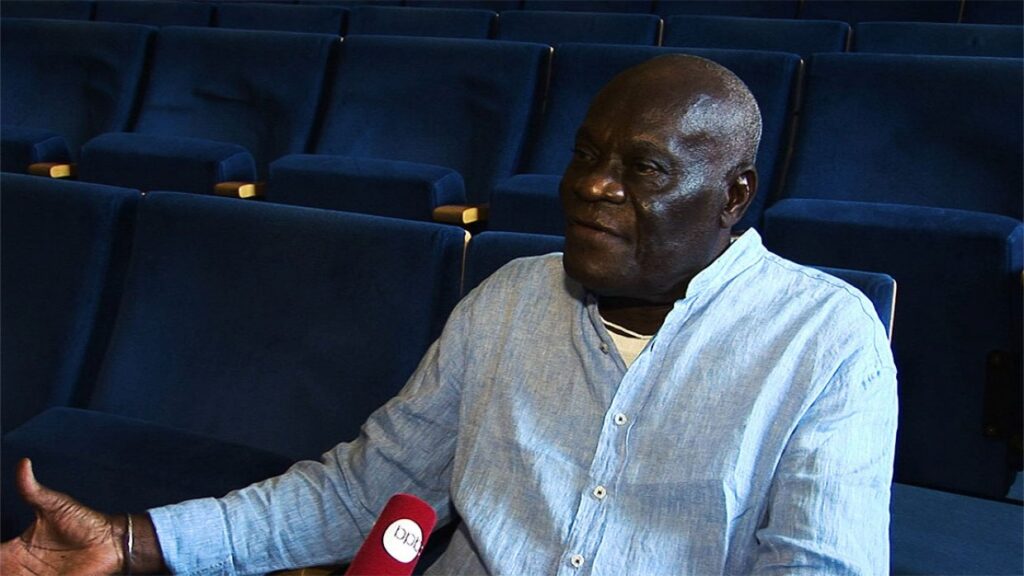
Returning to Ghana in the late 1970s, Ampaw worked as senior director at Ghana Broadcasting Corporation from 1979 to 1982, honing broadcast skills. In 1982, he launched Afromovies Ltd for independent production, enabling his key films.
He wrote, directed, and produced Kukurantumi: Road to Accra (1983), spotlighting everyday Ghanaians’ lives. Juju (also Nana Akoto, 1985) followed, delving into societal themes.
His Cobra Verde role and co-production bridged African and international cinema, while African Timber (1989) and No Time to Die (2006) showcased global collaborations.
Ampaw helped found FEPACI, FESPACO, Ghana Academy of Film and Television Arts, and Directors’ Guild of Ghana. Now, he develops The Son and Sun of Africa, a Kwame Nkrumah biopic.
Personal Life
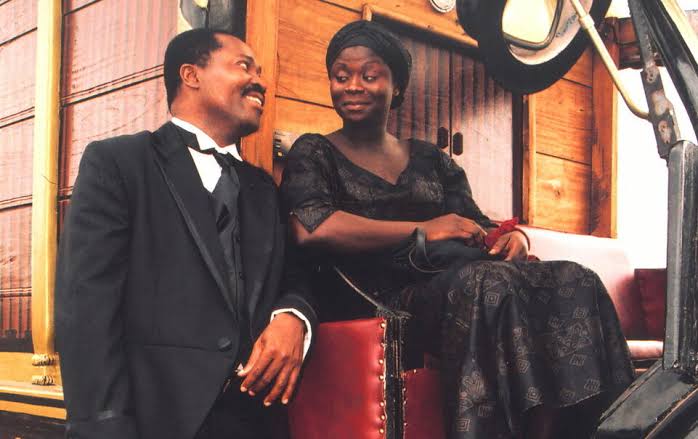
King Ampaw maintains a private family life; he is married with two sons.
Net Worth
King Ampaw’s net worth is estimated at $500,000 to $1.2 million, reflecting his decades-long career in independent filmmaking, international co-productions, and institutional contributions to African cinema
Filmography
- They Call it Love (1972) – Directorial debut
- Kukurantumi: Road to Accra (1983) – Writer, director, producer
- Juju / Nana Akoto (1985) – Writer, director, producer
- Cobra Verde (1987) – Actor, co-producer
- African Timber (1989) – Co-producer
- No Time to Die (2006) – Director, co-producer
Awards and Nominations
King Ampaw has received numerous accolades recognizing his contributions to African cinema and his artistic achievements:
International Awards:
- Film Critics Award for Kukurantumi: Road to Accra at FESPACO (Panafrican Film and Television Festival) in Ouagadougou
- Input Film Award for Nana Akoto/Juju in the Czech Republic
- Talifa Film Festival Award in Spain for No Time to Die
- Best Actor Award at the 4th African Film Festival of Tarifa in Spain (2007)
African and Continental Honours:
- Honorary Award at the Africa Movie Academy Awards (AMAA) in Nigeria – becoming the first filmmaker to receive this distinction
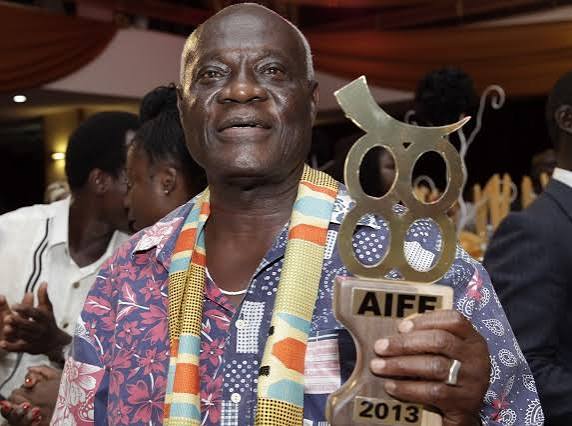
- Lifetime Achievement Award at the Accra International Film Festival (AIFF) in 2013
Institutional Recognition:
Presenter at the 20th Anniversary of the Pan-African Film and Arts Festival in Georgia, Atlanta (2008)
Honored at the 2012 NAFTI Film Lectures in both Ghana and Germany for his immense contributions to the film industry and cross-cultural collaborations between Ghana and Germany